
Understanding Seasonal Allergies: Tips from Your Lagrange OH Pharmacist


Seasonal allergies, often referred to as hay fever, can be a real nuisance for many people. As the seasons change, so do the allergens in the air, potentially triggering a range of uncomfortable symptoms. Understanding what causes these allergies and how you can manage them is crucial for anyone affected.
Allergens such as pollen from trees, grasses, and weeds are common culprits. When these allergens come into contact with your immune system, they can cause sneezing, runny noses, and itchy eyes. It's essential to know what specific allergens affect you, as this can help in effectively managing your symptoms.
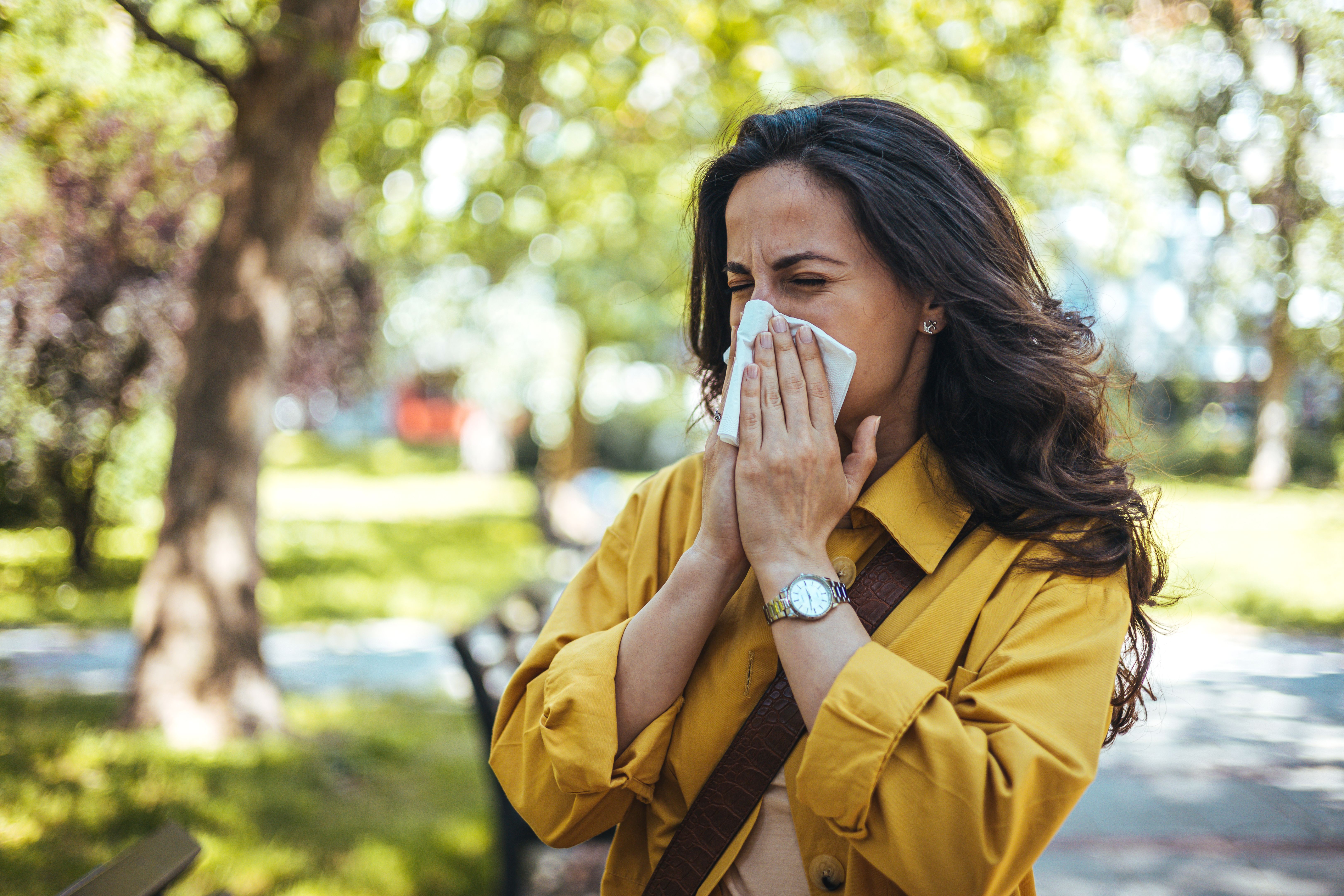
Recognizing the Symptoms
Seasonal allergy symptoms can vary from mild to severe and may include sneezing, nasal congestion, and itchy eyes. Some individuals may also experience fatigue or headaches. These symptoms can significantly impact daily activities and overall quality of life.
Identifying your symptoms early on can help you take proactive steps to manage them. Keeping a diary of when your symptoms occur can provide insights into which allergens are affecting you the most.
Common Triggers
Understanding the common triggers of seasonal allergies is vital for effective management. In spring, tree pollen is a prevalent allergen, whereas grass pollen becomes more dominant in the summer. In the fall, ragweed pollen is often the main trigger.

Mold spores can also be a significant trigger during wet or humid weather. Being aware of the specific allergens prevalent in each season can help you prepare and protect yourself accordingly.
Effective Management Strategies
Managing seasonal allergies involves a combination of avoidance strategies and medication. Here are some tips to help you cope:
- Stay Indoors: On high pollen days, try to remain indoors with windows closed to minimize exposure.
- Use Air Filters: High-efficiency particulate air (HEPA) filters can help reduce the amount of allergens indoors.
- Over-the-Counter Medications: Antihistamines and decongestants can offer relief. Consult your pharmacist for recommendations.

Consulting Your Pharmacist
Your local pharmacist in Lagrange, OH, is an excellent resource for managing seasonal allergies. They can provide personalized advice and recommend the best over-the-counter options tailored to your needs.
Pharmacists can also guide you on how to use medications properly and inform you about potential side effects. Don't hesitate to ask for their expertise if you're uncertain about any treatment options.
When to Seek Medical Help
If your symptoms persist despite taking these steps, it may be time to consult a healthcare professional. Severe allergies may require prescription-strength medications or allergy shots for long-term relief.
Remember, understanding and managing your allergies can significantly enhance your quality of life. With the right strategies and support, you can navigate allergy season with greater ease and comfort.