
Understanding Prescription Labels: A Step-by-Step Guide


Introduction to Prescription Labels
Understanding prescription labels is crucial for ensuring you take your medications safely and effectively. These labels contain a wealth of information that guides you on dosage, frequency, and other essential details. However, the medical jargon can sometimes be confusing. This guide will walk you through the key components of a prescription label.
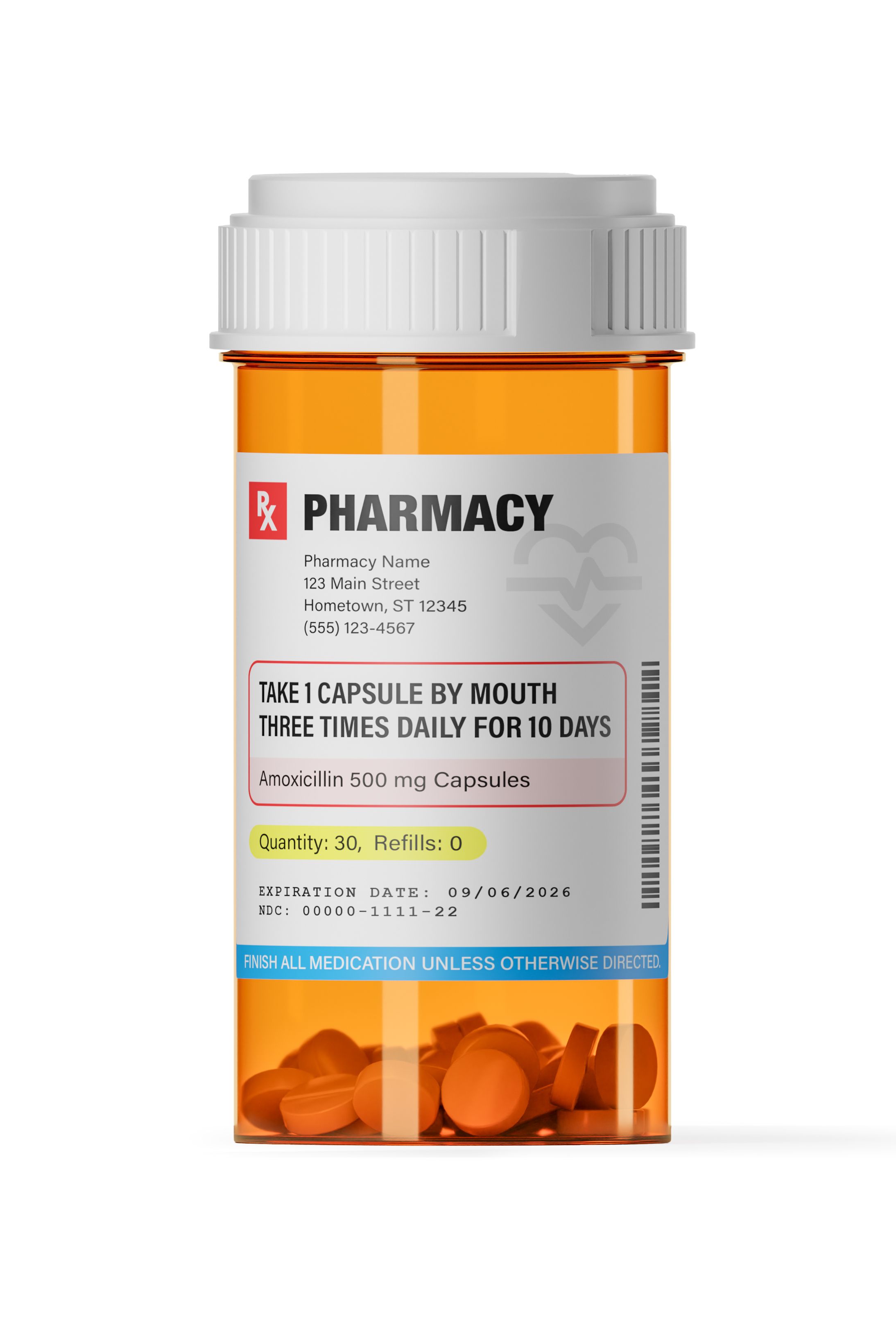
Key Components of a Prescription Label
Patient Information
The first section of a prescription label typically includes patient information. This ensures that the medication is specifically tailored for you. Always verify your name and any other identifying details to avoid taking someone else’s medication by mistake.
Drug Name and Dosage
Next, you'll find the name of the drug—both the brand and generic names might be listed. This section also specifies the dosage, which is crucial for knowing how much of the medication you need to take at one time. Pay attention to these details to ensure you're taking the right amount.

Understanding Dosage Instructions
Frequency and Timing
The prescription label will indicate how often and at what times you should take your medication. This might be once daily, twice daily, or at specific times like morning and evening. Consistency is key, so try to take your medication at the same times each day.
Route of Administration
This tells you how to take your medication—whether orally, via injection, or through another method. The route of administration is vital for the drug to work correctly. If in doubt, consult your pharmacist or healthcare provider.

Special Instructions and Warnings
Additional Directions
Some medications come with specific instructions, such as taking with food or avoiding certain activities. These directions help enhance the effectiveness of the medication and minimize side effects.
Potential Side Effects
Prescription labels often include a warning section that lists potential side effects. While not everyone will experience these, it's important to be aware of them so you can recognize any adverse reactions early on.
Conclusion
Understanding your prescription label is an essential part of managing your health. By familiarizing yourself with each section, you can ensure you’re using your medication safely and effectively. If you ever have questions, don’t hesitate to reach out to your pharmacist or healthcare provider for clarification.