
Understanding Medication Labels: A Step-by-Step Guide


Introduction to Medication Labels
Understanding medication labels is crucial for ensuring that medications are taken safely and effectively. Labels provide important information about how to use the medication, what it contains, and any potential risks. This guide will walk you through the key components of medication labels to help you make informed decisions about your health.
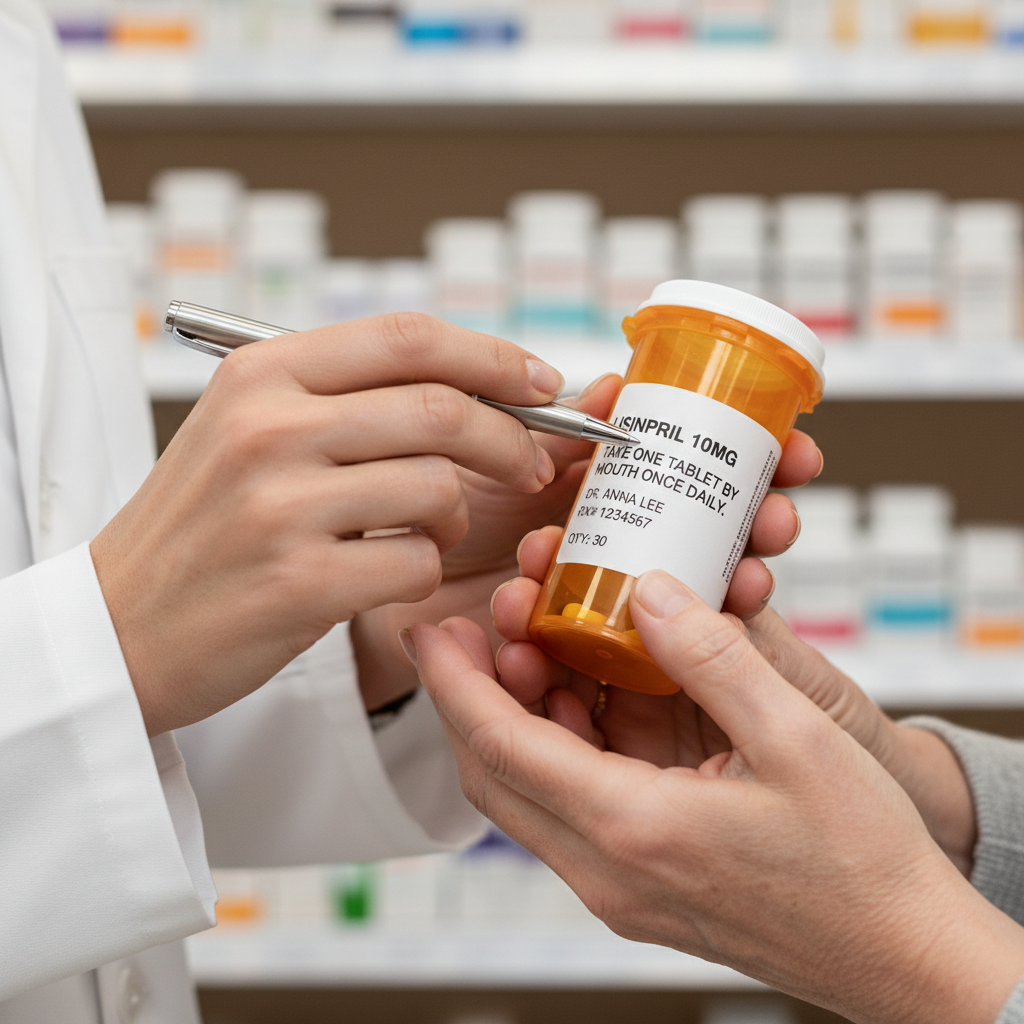
Reading the Active Ingredients
The active ingredients section of a medication label tells you what the medication is designed to treat. This is particularly important if you are taking multiple medications, as it helps prevent accidental overdosing of the same ingredient. Look for the active ingredient listed at the top of the label, usually in bold text.
Understanding Dosage Instructions
Dosage instructions outline how much of the medication you should take and how often. Following these instructions is essential for the medication to work effectively. Pay attention to whether the dosage is measured in teaspoons, tablets, or milliliters, and ensure you have the right tools to measure accurately.

Identifying Warnings and Precautions
Warnings and precautions provide information about possible side effects and interactions with other drugs, foods, or medical conditions. It's important to read this section carefully to avoid any adverse effects. If you have any known allergies or conditions, check this part of the label first.
Recognizing Inactive Ingredients
Inactive ingredients, although not meant to treat your condition, can affect people with allergies or sensitivities. They can include dyes, preservatives, and fillers. If you have known allergies, compare these ingredients with what you can safely consume.

Storage and Expiration Information
Proper storage of medication is crucial for maintaining its effectiveness. The label will provide specific instructions on how to store the medication, whether it needs refrigeration, or should be kept away from light or moisture. Additionally, always check the expiration date to ensure the medication is safe to use.
Contact Information for Questions
If you have questions that the label doesn’t answer, contact information for the manufacturer or a healthcare provider is often listed. Don't hesitate to reach out if you need additional guidance.

Conclusion
By carefully reading and understanding medication labels, you can ensure that you are using your medications safely and effectively. Always take the time to review all sections of the label and consult with a healthcare professional if you have any uncertainties. Your health and safety depend on informed decisions.