
The Role of Pharmacies in Emergency Preparedness


The Importance of Pharmacies in Emergency Preparedness
In times of crisis, pharmacies play a critical role in ensuring public health and safety. They are often the first point of contact for individuals seeking medical guidance, medication, and essential supplies. Understanding their role in emergency preparedness is crucial for communities aiming to enhance their resilience.
Medication Accessibility
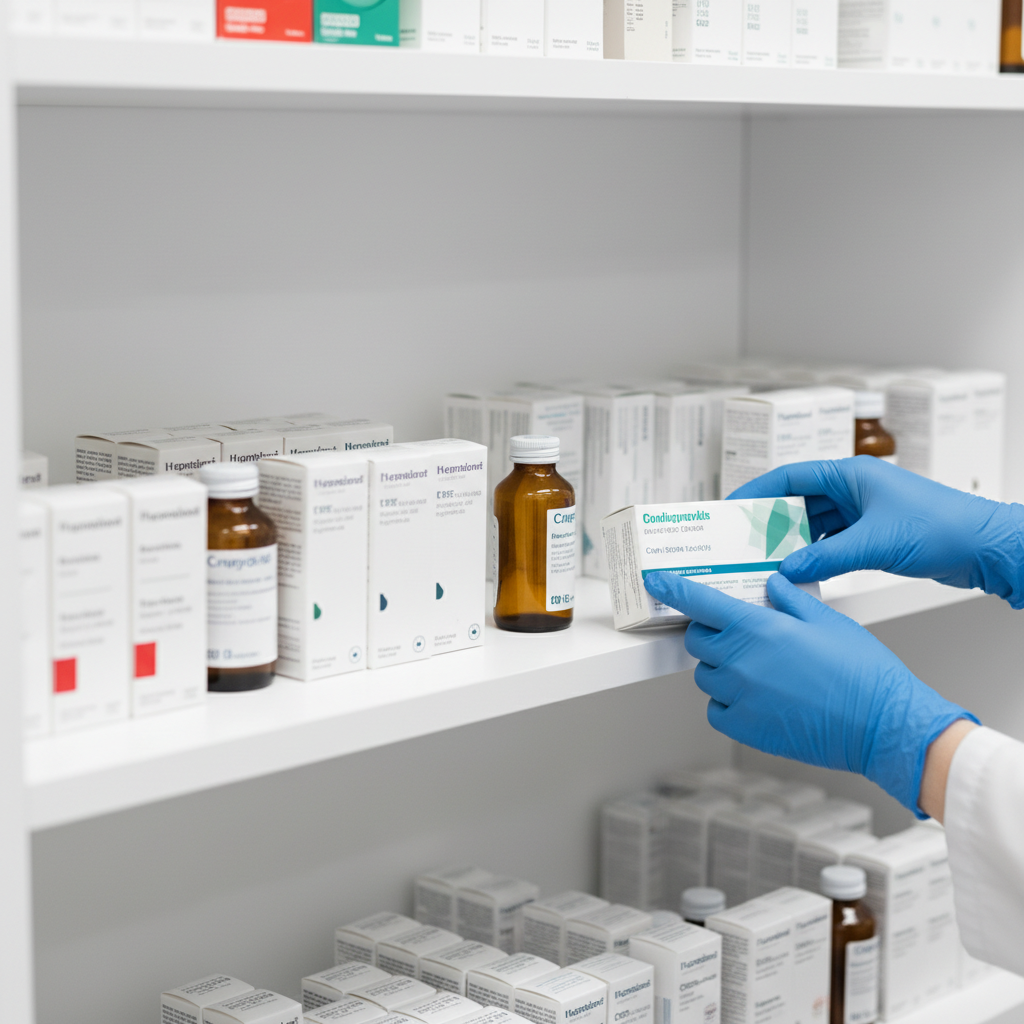
During emergencies, access to medication becomes a top priority for those with chronic illnesses. Pharmacies ensure that there is a continuous supply of necessary medications and are often involved in coordinating with healthcare providers to manage prescriptions. This access is vital for preventing complications and maintaining health standards.
Pharmacists can also offer advice on alternative medications if supply chains are disrupted. Their expertise helps in managing resources effectively and ensuring that patients receive the care they need despite the challenges posed by emergencies.
Community Education and Support
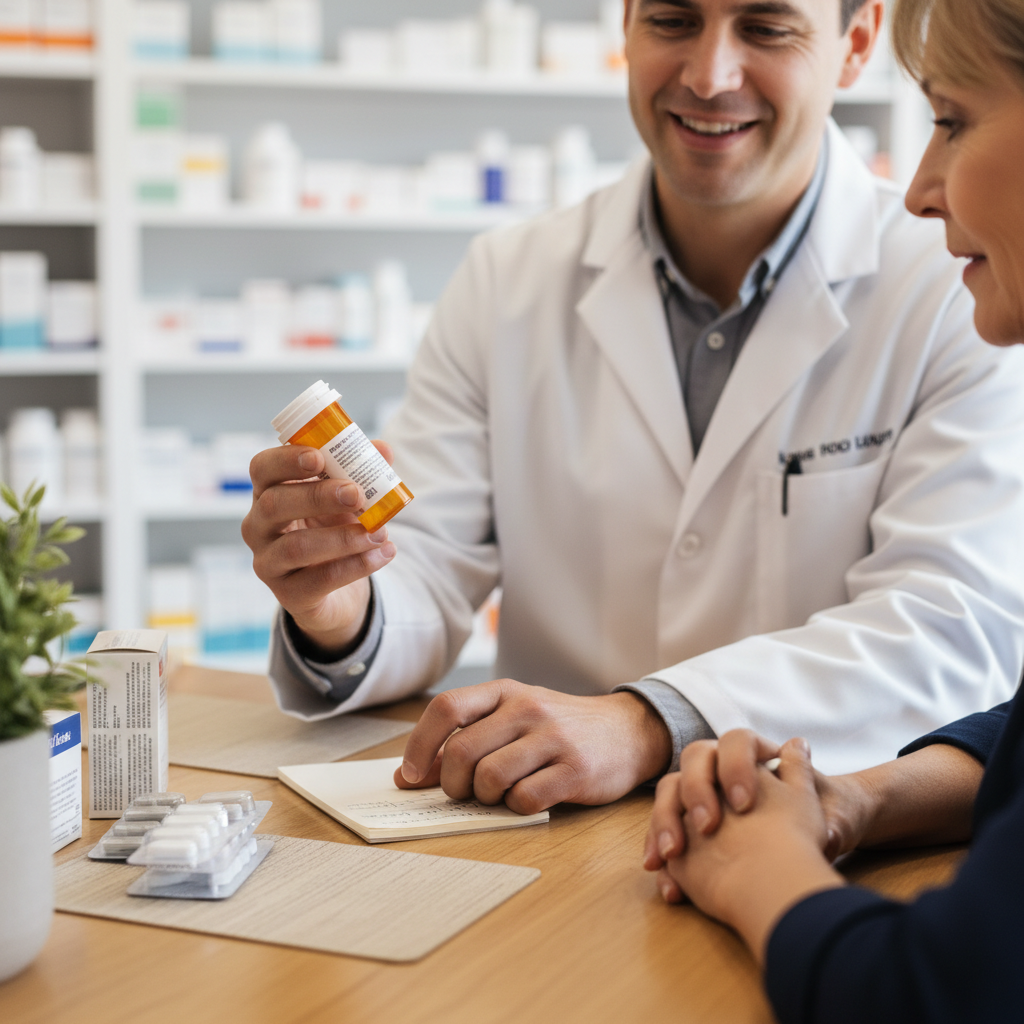
Pharmacies serve as educational hubs where individuals can learn about emergency preparedness. Pharmacists provide guidance on creating emergency kits, understanding medication storage, and knowing when to seek medical attention. These efforts are essential in promoting self-sufficiency and reducing panic during crises.
Moreover, pharmacies often hold workshops or informational sessions to educate the public about health risks associated with specific emergencies, such as pandemics or natural disasters. This proactive approach fosters a well-informed community ready to face potential threats.

Collaboration with Healthcare Systems
Pharmacies collaborate closely with hospitals, clinics, and governmental bodies to ensure a coordinated response during emergencies. They are integral in distributing vaccines, managing public health campaigns, and supporting disease prevention efforts. Such partnerships are crucial for streamlining processes and optimizing resource allocation.
Additionally, pharmacies play a role in data collection and monitoring health trends, which aids in making informed decisions during critical times. This collaboration enhances the overall effectiveness of emergency preparedness strategies.

Steps for Enhancing Pharmacy Preparedness
To maximize the role of pharmacies in emergency preparedness, several steps can be taken:
- Develop robust supply chain management systems to withstand disruptions.
- Implement training programs for pharmacists on emergency response protocols.
- Foster partnerships with local health authorities and organizations.
- Enhance communication channels to keep the public informed and calm.
By focusing on these areas, pharmacies can significantly contribute to the resilience and health of their communities.
The role of pharmacies in emergency preparedness is indispensable. As trusted healthcare providers, they ensure that communities are not only prepared but also equipped to handle emergencies effectively. Their commitment to public health and safety makes them a cornerstone in any emergency management plan.