
Myth-Busting: Common Misconceptions About Prescription Medications


Understanding Prescription Medications
Prescription medications are a vital component of modern healthcare, helping millions manage their health conditions effectively. However, there's a lot of misinformation floating around that can lead to confusion. It's essential to separate fact from fiction to make informed decisions about your health.
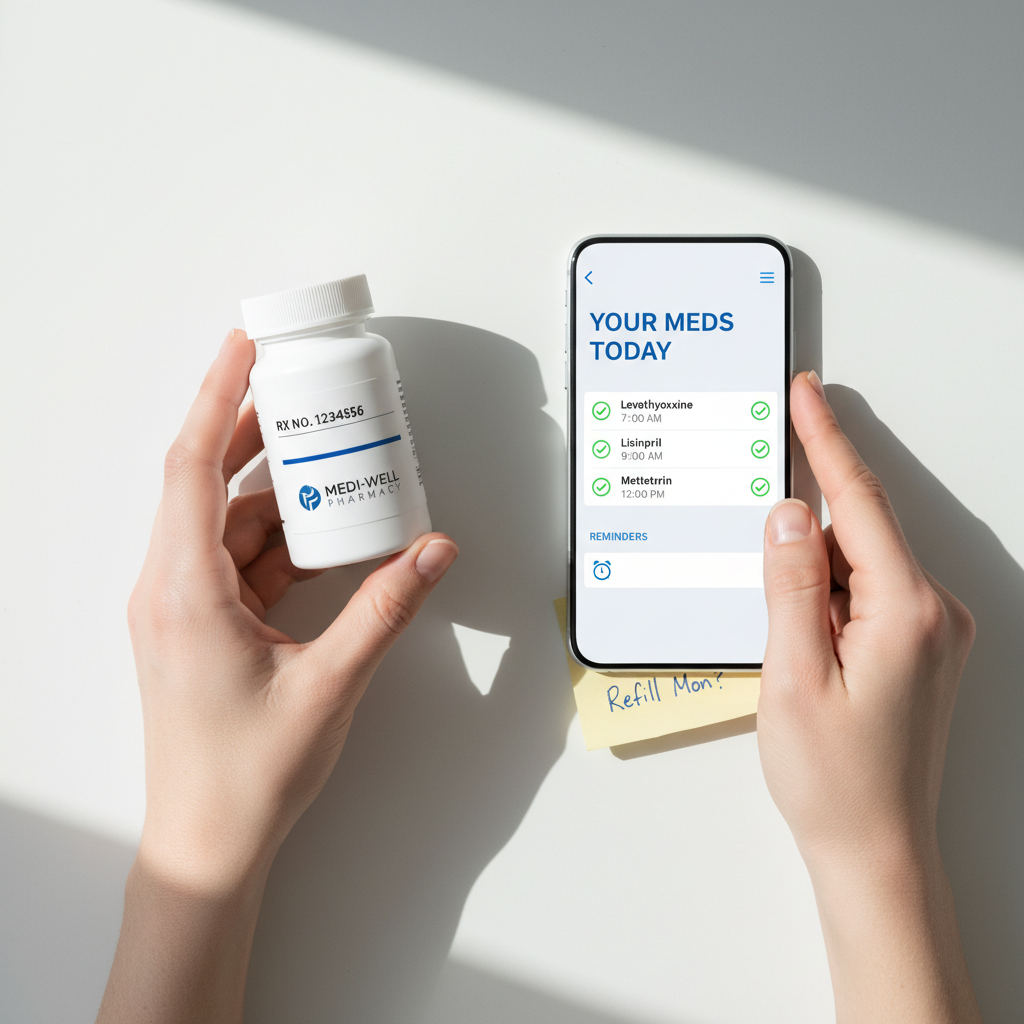
Myth: All Generic Drugs Are Inferior
Many people believe that generic drugs are less effective than their brand-name counterparts. In reality, generic medications contain the same active ingredients and are required by the FDA to perform similarly. The key difference is often the price, making generics a cost-effective option for many.
Why Generics Are Cheaper
The cost difference is primarily due to the lack of expensive marketing and development costs that brand-name drugs incur. Once the patent expires on a brand-name drug, other companies can produce the generic version, increasing competition and lowering prices.
Myth: Prescription Medications Are Always Safe
While prescription medications are rigorously tested for safety and efficacy, they are not without risks. It's crucial to follow your healthcare provider's instructions and discuss any concerns or side effects you experience. Some medications can interact with others or with certain foods, which may lead to adverse effects.

Understanding Side Effects
All medications come with potential side effects. Your doctor prescribes a medication when its benefits outweigh the risks for your specific situation. Always read the information provided with your medication and report any unusual symptoms to your healthcare provider.
Myth: You Can Stop Medication When You Feel Better
This is a common misconception that can have serious consequences. Stopping medication prematurely can lead to a relapse or worsening of your condition. For example, antibiotics must be taken for the entire prescribed duration to ensure all bacteria are eradicated and to prevent resistance.
The Importance of Completing Your Prescription
Completing your prescribed course ensures the effectiveness of the treatment. If you have concerns about continuing a medication, consult your healthcare provider before making any changes.

Myth: It's Safe to Share Prescriptions
Sharing medications might seem harmless, especially if someone you know has similar symptoms. However, this can be dangerous. Prescriptions are tailored to an individual's specific health needs, and what works for one person might not be suitable for another.
Risks of Sharing Medications
Sharing medications can lead to incorrect dosing, unexpected side effects, and potential interactions with other medications or conditions. Always seek professional medical advice rather than sharing medications.
Conclusion
Understanding the truth about prescription medications can empower you to make better health decisions. Always consult your healthcare provider for guidance and information specific to your health needs. By debunking these myths, you can approach your treatment with confidence and clarity.