
How to Choose the Right Over-the-Counter Medicine for Cold and Flu


Understanding Symptoms
When faced with cold and flu symptoms, it's crucial to understand what you're dealing with. Cold symptoms often include a runny nose, congestion, and sneezing, while the flu typically comes with fever, body aches, and fatigue. Recognizing these differences can help you select the right treatment.

Reading Labels Carefully
Once you know your symptoms, the next step is to carefully read medicine labels. Look for active ingredients like acetaminophen, ibuprofen, or dextromethorphan, which target specific symptoms. Avoid products with unnecessary components to minimize side effects.
Identifying Active Ingredients
Active ingredients are the key components that provide relief. For example, acetaminophen is great for reducing fever and pain, while antihistamines help with runny noses and sneezing. Understanding these can help tailor your choice to your needs.
Considering Side Effects
Every medication comes with potential side effects. Antihistamines, for instance, may cause drowsiness, while decongestants can lead to increased blood pressure. Always consider how these might affect your daily activities before choosing a medication.
Consulting a Pharmacist
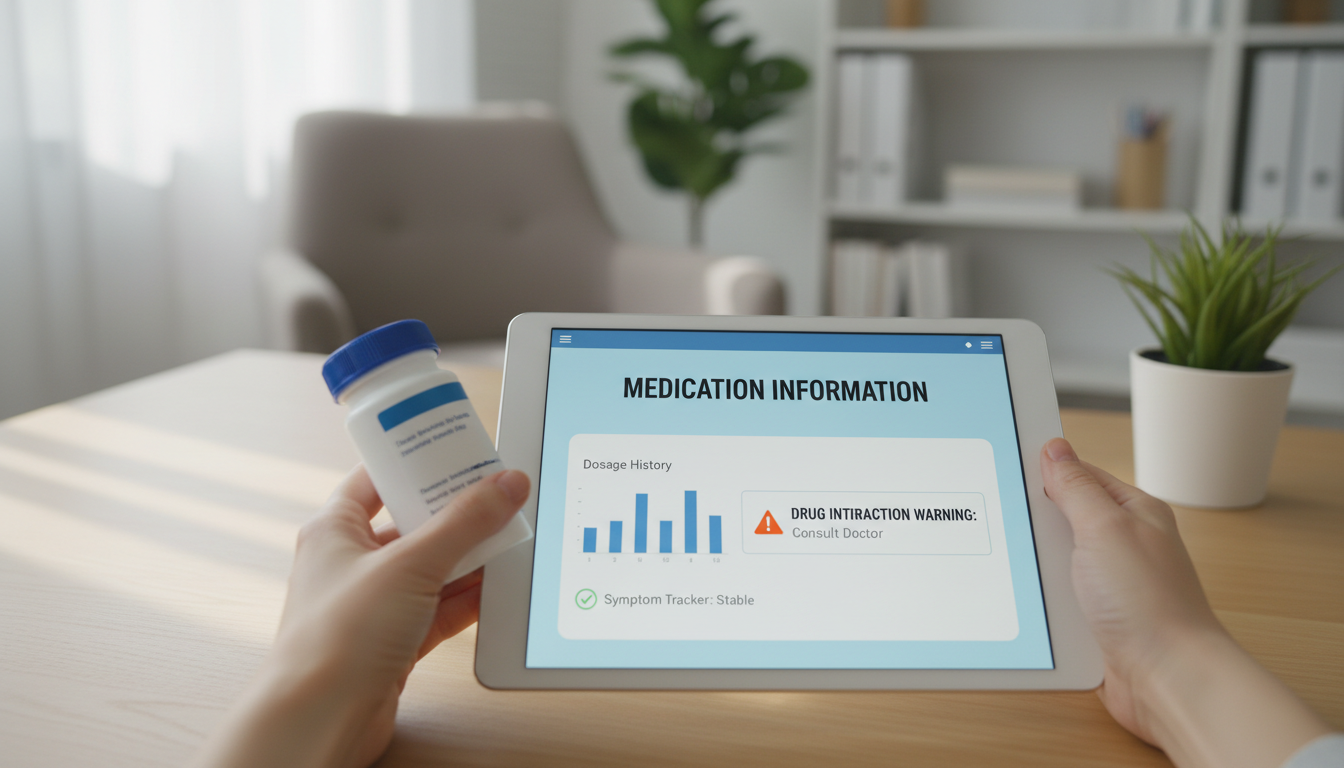
If you're unsure about which medicine to choose, consulting a pharmacist is a smart move. Pharmacists can provide valuable insights into the best options for your symptoms and offer advice on dosage and potential interactions with other medications.
Questions to Ask
- What are the best options for my specific symptoms?
- Are there any interactions with my current medications?
- What side effects should I be aware of?
Evaluating Your Options
With a plethora of options available, evaluating your choices can be overwhelming. Consider factors like brand reputation, price, and user reviews. Often, generic brands offer the same relief as name brands but at a lower cost.

Monitoring Your Response
After choosing a medication, monitor your body's response. If your symptoms persist beyond a few days, or if you experience adverse reactions, it may be time to reassess your choice or consult with a healthcare professional.
When to Seek Medical Attention
If you experience severe symptoms like difficulty breathing, chest pain, or a persistent high fever, seek medical attention immediately. These could be signs of a more serious condition requiring professional care.